Daily Hydraulic Inspection Checklist for Heavy Equipment
Short answer: A 10 minute check before each shift catches most hydraulic failures early: oil level and colour in the sight glass, chrome rods for chips and scoring, the reservoir breather, fresh oil under pumps and valves, hoses for exposed wire or rubbing, and oil temperature during warm up, which should stay between about 50°C and 75°C.
Ten minutes spent conducting a systematic pre-shift hydraulic walkaround can prevent catastrophic hydraulic pump seizures and dangerous high-pressure hose bursts on job sites.
ASAT Engineering Department
Field Service & Plant Reliability
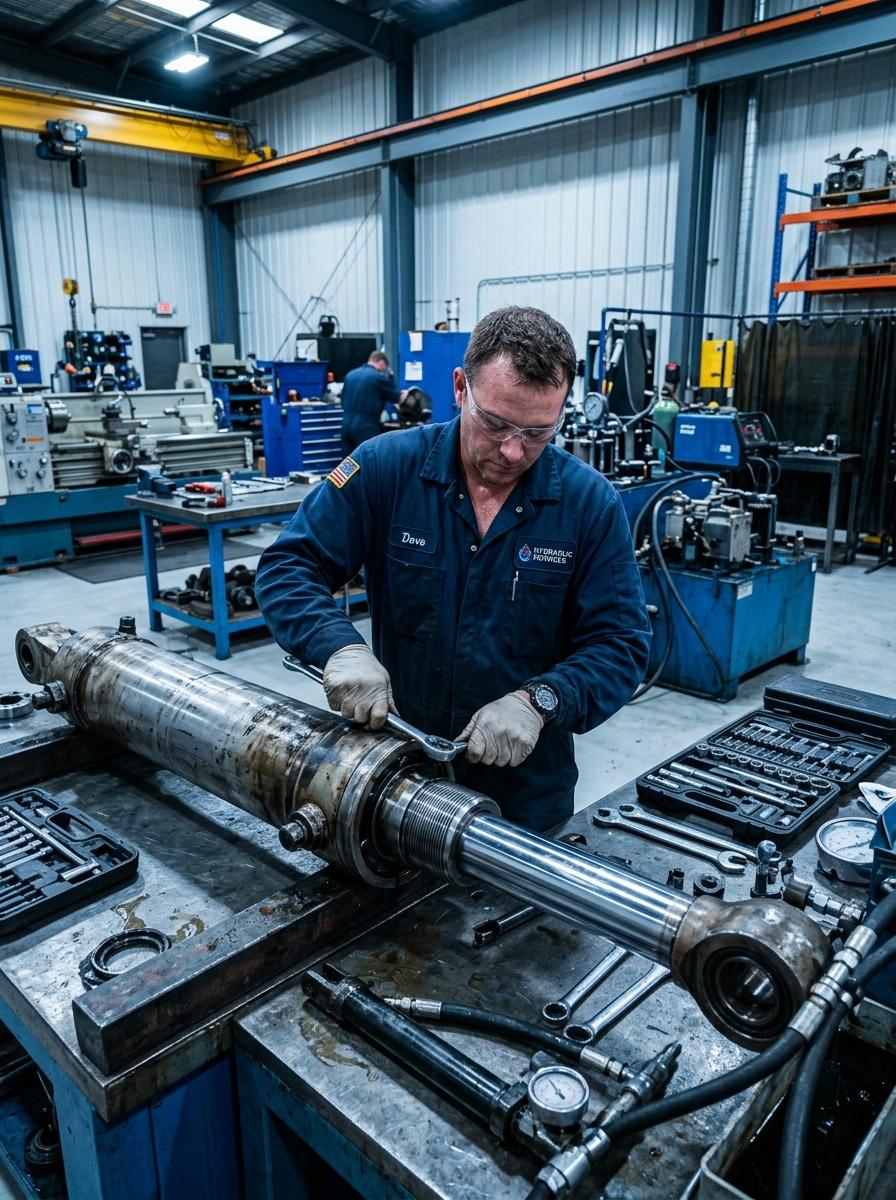
Heavy construction and earthmoving equipment operating in harsh UAE environmental conditions endure extreme cyclic stresses, high ambient temperatures, and abrasive airborne particulate. A disciplined pre-start walkaround is the most cost-effective insurance against unexpected job-site work stoppages.
Pre-Start Visual Inspection
Before starting the engine or powering up the hydraulic power unit (HPU), the equipment operator or field technician should carry out the following visual checks:
- Fluid Level and Condition: Check reservoir sight glass with cylinders retracted. Inspect for milkiness (water ingress) or dark discoloration and burnt odor (thermal oxidation).
- Piston Rod Surfaces: Inspect all visible chrome cylinder rods for rock chips, scoring, or bending that will cut gland seals upon retraction.
- Reservoir Breather: Ensure the air breather is intact, unblocked, and desiccant media has not saturated.
- Puddle and Weepage Check: Check ground beneath pumps, control valves, and swivel joints for fresh oil accumulation.
High-Pressure Hose & Fitting Integrity
Flexible hydraulic hoses are critical wear components. Never touch a pressurized hose with bare hands (fluid injection hazard). Inspect outer rubber covers for wire-braid exposure, blistering, excessive twisting, or rubbing against sharp chassis edges.
Operational Warm-up & Temperature Check
During machine warm-up, cycle all hydraulic functions through full stroke without load to circulate oil and purge air. Listen for unusual pump whining or cavitation noise, and monitor reservoir thermometers to verify operating temperatures remain within the safe 50°C to 75°C band.
Logging and Preventative Reporting
Maintain an equipment logbook recording fluid top-ups, filter differential pressure alerts, and cylinder weepage. Early reporting allows ASAT technicians to repair or re-seal components during scheduled maintenance windows rather than after emergency job-site breakdowns.
Frequently asked questions
How often should hydraulic hoses be checked?
- Check hoses at every pre-shift inspection for exposed wire, rubbing, bulges and leaks. Replace any hose that shows damage.
What oil temperature is too hot?
- During warm up, oil should stay between about 50°C and 75°C. Sustained temperatures above that point to a fault, such as internal bypass or a restriction.
What does milky hydraulic oil mean?
- Milky oil usually means water or air has entered the system. Stop the machine, find the source, and sample the oil before continuing.
Related Workshop Engineering Services
Heavy Equipment and Machinery Repair
Hydraulic repair for JCB, CAT, Komatsu and Volvo machines.
Related Engineering Insights
ISO 4406 Oil Cleanliness Codes Explained for UAE Hydraulic Systems
Why fluid contamination accounts for up to 80% of hydraulic component failures, and how to maintain strict ISO particulate target codes.
Hydraulic Pump Cavitation: Causes, Warning Signs and How to Stop It
Understanding the physical mechanisms of vapor cavity implosion, intake line restrictions, and oil aeration that lead to premature axial piston pump destruction.
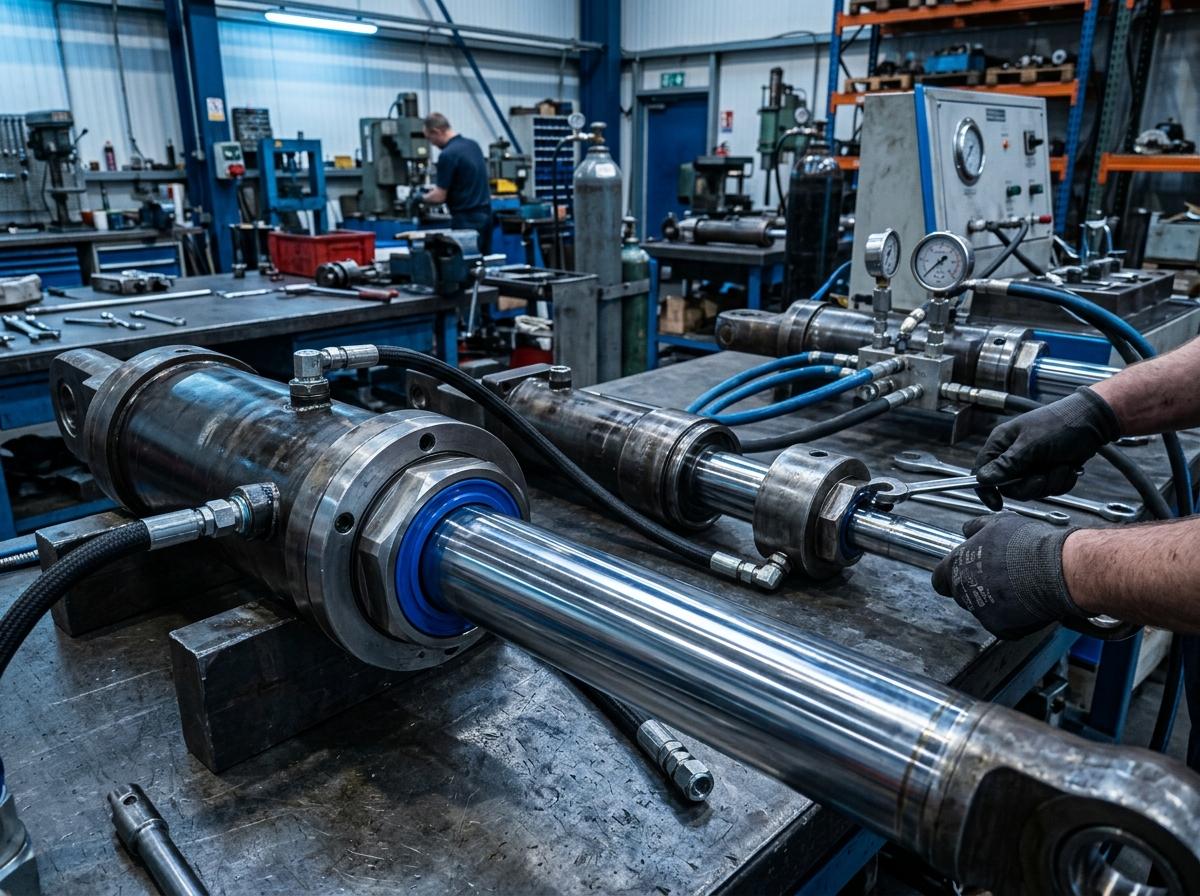
Why Hydraulic Cylinder Seals Fail in UAE Conditions, and How to Fix It
A practical guide to diagnosing extrusion damage, thermal hardening, abrasive scoring, and diesel effect across heavy equipment cylinder seals.
Have a Hydraulic Cylinder, Pump, or Valve Requiring Repair?
Consult directly with ASAT Hydraulic Repairing's senior technicians in the UAE. We provide comprehensive root-cause diagnostics, precise workshop teardowns, OEM-standard rebuilding, and certified pressure testing up to 350 bar.
Request a Service Quote
Share your machinery details for immediate technical evaluation.