ISO 4406 Oil Cleanliness Codes Explained for UAE Hydraulic Systems
Short answer: ISO 4406 describes how clean hydraulic oil is with three numbers: particle counts above 4, 6 and 14 microns per millilitre, for example 18/16/13. Lower is cleaner. Systems with axial piston pumps and proportional valves should run at 16/14/11 or better. Filter new oil through a 3 micron filter cart before it goes into the tank.
Hydraulic oil is the lifeblood of power transmission systems. In arid, dust-heavy environments, maintaining ISO 4406 particle count cleanliness codes requires multi-stage filtration, kidney-loop conditioning, and disciplined maintenance protocols.
ASAT Engineering Department
Quality Assurance & Diagnostic Lab
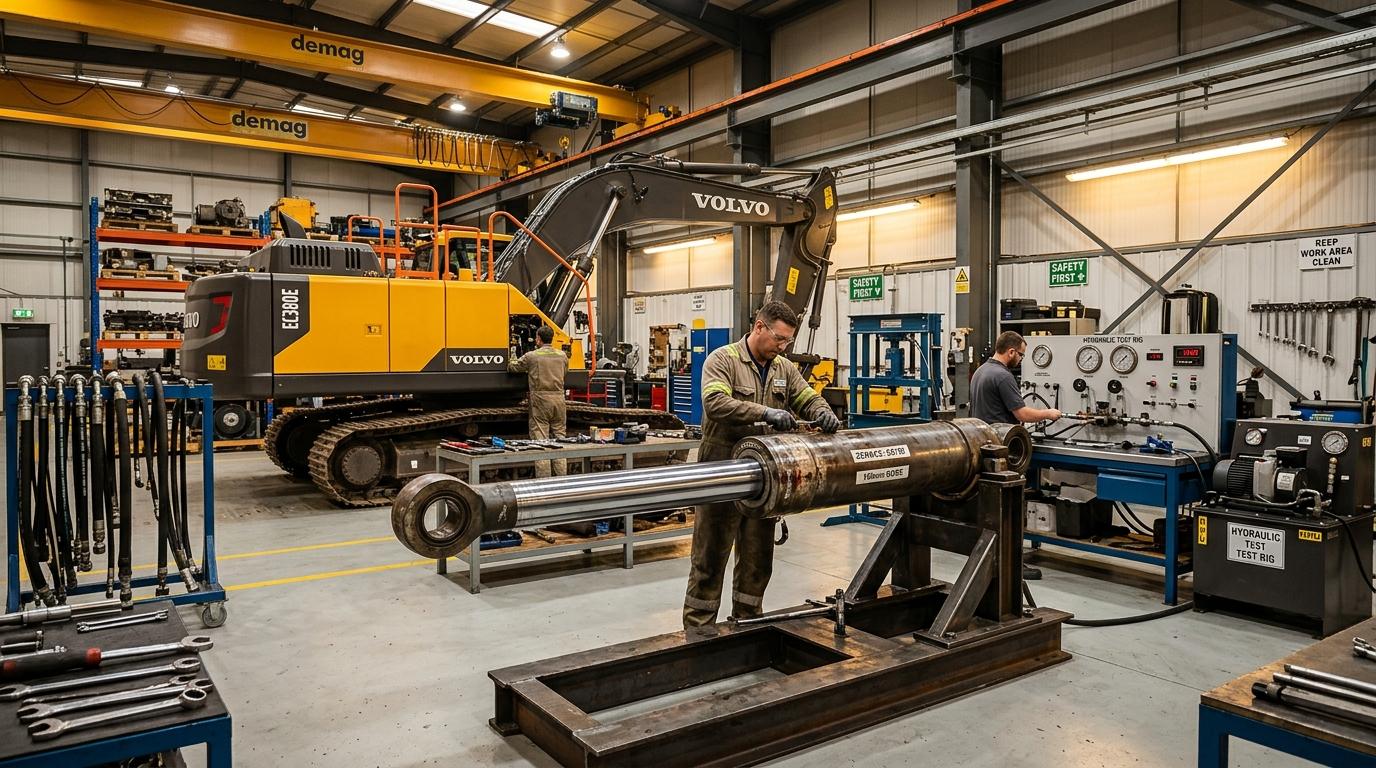
Tribology research consistently demonstrates that between 70% and 80% of all hydraulic component breakdowns stem directly from particulate and water contamination. In fine-tolerance modern hydraulic systems—where clearances between spool valves and bodies are often between 2 and 5 microns—invisible particles act as cutting grit, grinding away precision surfaces and causing sluggish machine response.
The True Impact of Fluid Contamination
Contaminants do not merely cause gradual wear; they lead to three distinct types of mechanical damage:
- Abrasive Wear: Hard particles bridge the lubricating film between sliding components, gouging metal surfaces.
- Adhesive Wear (Scuffing): High-load contact causes localized micro-welding when lubrication films are penetrated.
- Fatigue Wear: Cyclic pressure loads over debris denting create surface micro-cracks that flake away under operational stress.
Demystifying ISO 4406 Cleanliness Codes
The international standard ISO 4406 expresses fluid contamination using three scale numbers representing particle concentrations at >4 μm, >6 μm, and >14 μm per milliliter of oil (e.g., ISO 18/16/13). For modern proportional valve and axial piston pump circuits, target cleanliness codes must be maintained at ISO 16/14/11 or better to ensure reliable operation.
Key Sources of Particulate Ingress
Common vectors for contamination in UAE industrial sites include unfiltered bulk oil drum replenishment, damaged desiccant breathers on reservoirs, unsealed cylinder rod wipers, and maintenance activities performed in unshielded open-air environments.
Practical Cleanliness Action Plan
All new hydraulic oil straight from drums should be filtered through a 3-micron kidney loop filter cart before entering equipment reservoirs. Installing high-efficiency desiccant breathers and implementing quarterly laboratory particle count sampling prevents unforeseen system contamination and extended equipment downtime.
Frequently asked questions
What ISO code should hydraulic oil be?
- There is no single code for every system. As a guide, systems with axial piston pumps and proportional valves should run at 16/14/11 or better. Lower numbers mean cleaner oil.
How often should oil be sampled?
- Sample on a schedule set by your operating hours and conditions, and after any major repair or contamination event. Dusty UAE sites usually need more frequent checks.
Does new oil need filtering?
- Yes. New oil often arrives dirtier than the system needs, so filter it through a 3 micron filter cart before it goes into the tank.
Related Workshop Engineering Services
Hydraulic Control Valve Repair
DCV overhaul and relief valve calibration.
Related Engineering Insights
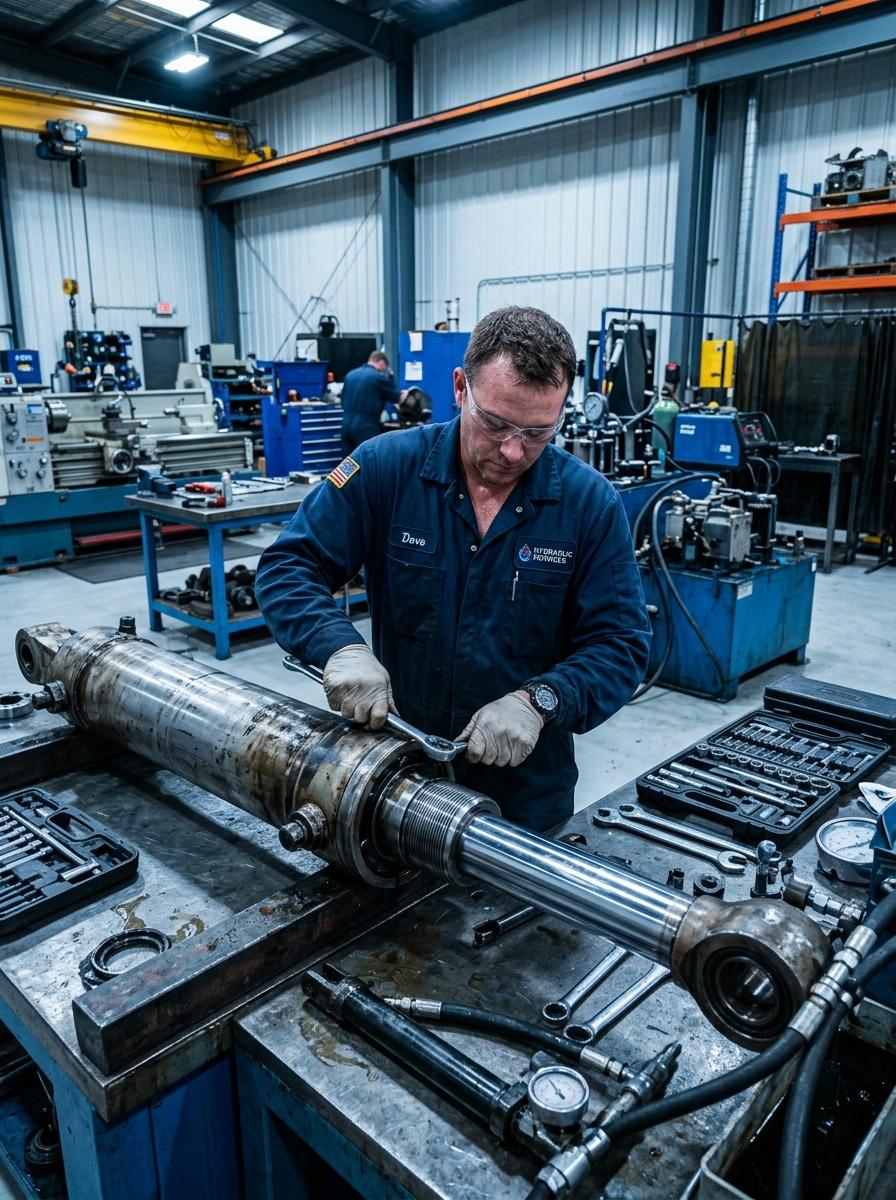
Daily Hydraulic Inspection Checklist for Heavy Equipment
A practical pre-shift walkaround routine for plant operators and fleet mechanics to catch minor leaks and thermal issues before failure occurs.
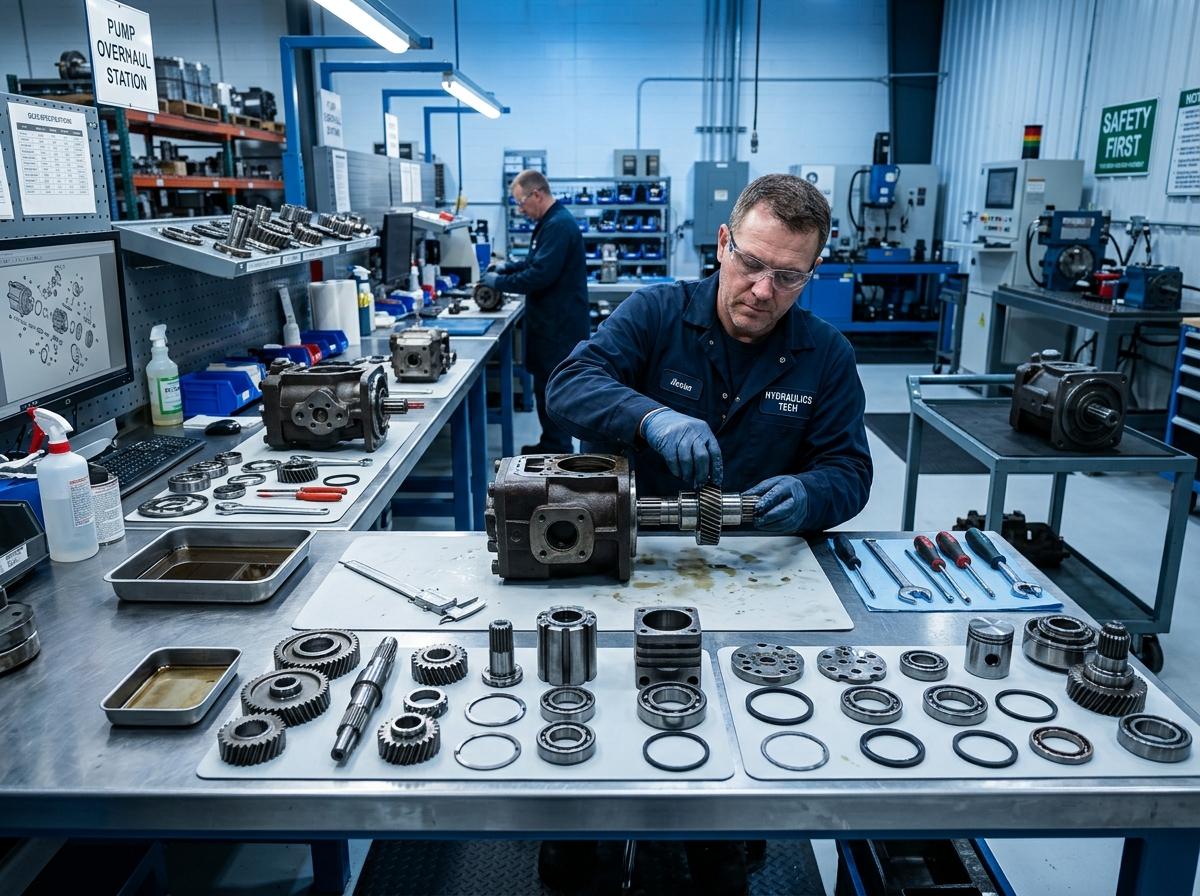
Hydraulic Pump Cavitation: Causes, Warning Signs and How to Stop It
Understanding the physical mechanisms of vapor cavity implosion, intake line restrictions, and oil aeration that lead to premature axial piston pump destruction.
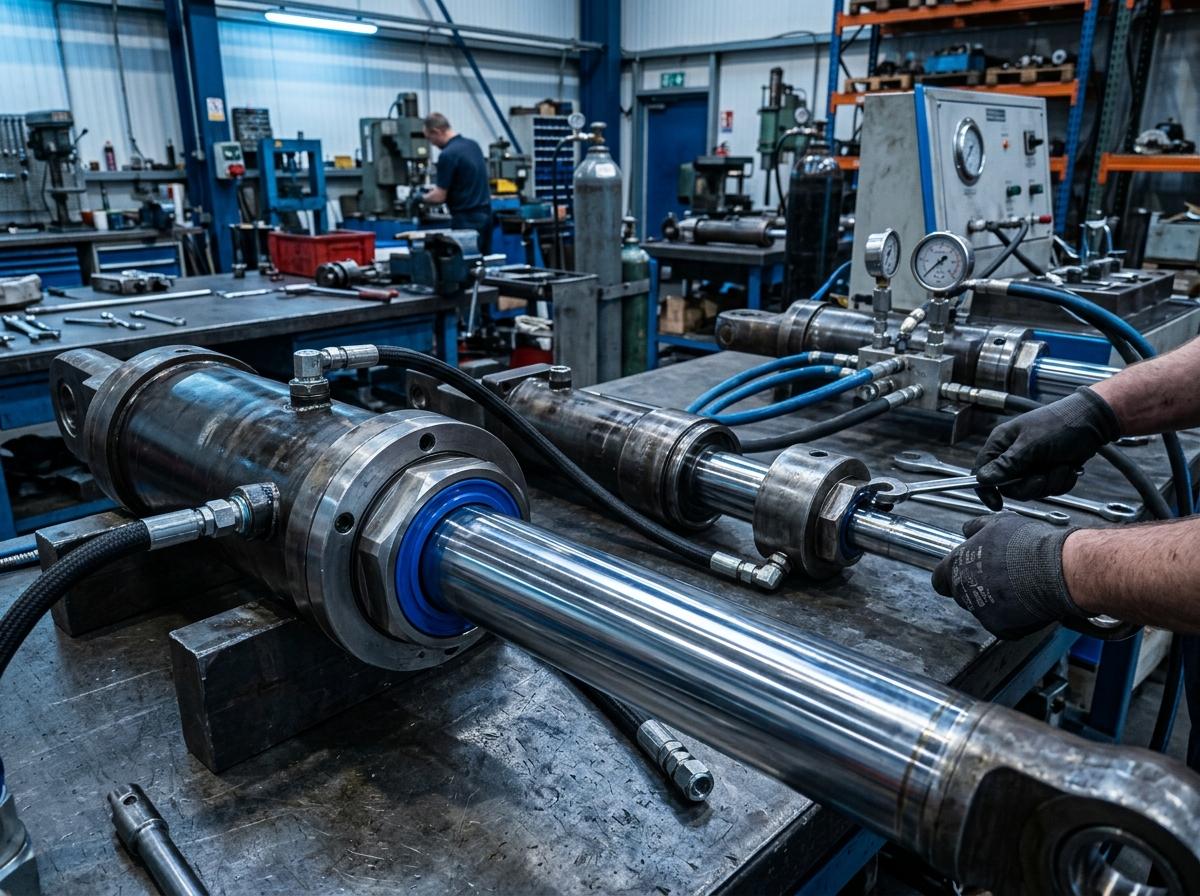
Why Hydraulic Cylinder Seals Fail in UAE Conditions, and How to Fix It
A practical guide to diagnosing extrusion damage, thermal hardening, abrasive scoring, and diesel effect across heavy equipment cylinder seals.
Have a Hydraulic Cylinder, Pump, or Valve Requiring Repair?
Consult directly with ASAT Hydraulic Repairing's senior technicians in the UAE. We provide comprehensive root-cause diagnostics, precise workshop teardowns, OEM-standard rebuilding, and certified pressure testing up to 350 bar.
Request a Service Quote
Share your machinery details for immediate technical evaluation.