Why Proportional Valves Stick and How to Fix Them
Short answer: Proportional valves usually stick because fine dirt packs into the 2 to 6 micron gap around the spool (silt lock), because varnish builds up in hot oil, or because the coil or its signal is failing. Check coil resistance and the control signal before removing the valve. A stuck spool then needs cleaning, deburring and a bench test.
Proportional valves bridge electronic control signals and high-power hydraulic actuators. Learn how to systematically diagnose sluggish spool travel, internal pilot leakage, and electrical driver errors on industrial test benches.
ASAT Engineering Department
Valves & Control Systems Division
Modern mobile cranes, industrial injection molding machines, and maritime winches rely heavily on proportional and servo-solenoid valves for precision motion profiling. Because these valves meter flow by positioning ground spools within cast iron or steel bodies to sub-millimeter accuracy, even minuscule contamination or magnetic hysteresis can induce severe operational malfunctions.
Proportional Valve Architecture & Clearances
The radial clearance between a high-response proportional valve spool and its bore is typically between 2 and 6 micrometers—finer than a human hair or smoke particulate. Under high pressure drops, fluid passing through these micro-clearances creates intense shear forces, making smooth spool movement vulnerable to fluid degradation.
Silting and Silt Lock Mechanisms
When a spool valve remains stationary in an energized or neutral position under sustained high pressure, microscopic sub-micron particles migrate into the annular clearance gap. This accumulation creates a wedge effect known as "silt lock" (stiction). When the controller sends a new command signal, the solenoid coil may not produce sufficient force to break the mechanical stiction, causing delayed or jerky actuator response.
Electrical & Solenoid Coil Diagnostics
Before disassembling a suspected valve, engineers must verify electrical inputs: measuring coil resistance (checking for shorted turns caused by thermal insulation breakdown), inspecting linear variable differential transformer (LVDT) feedback signals, and confirming proper dither signal amplitude to prevent static friction.
Bench Testing & Reconditioning Standards
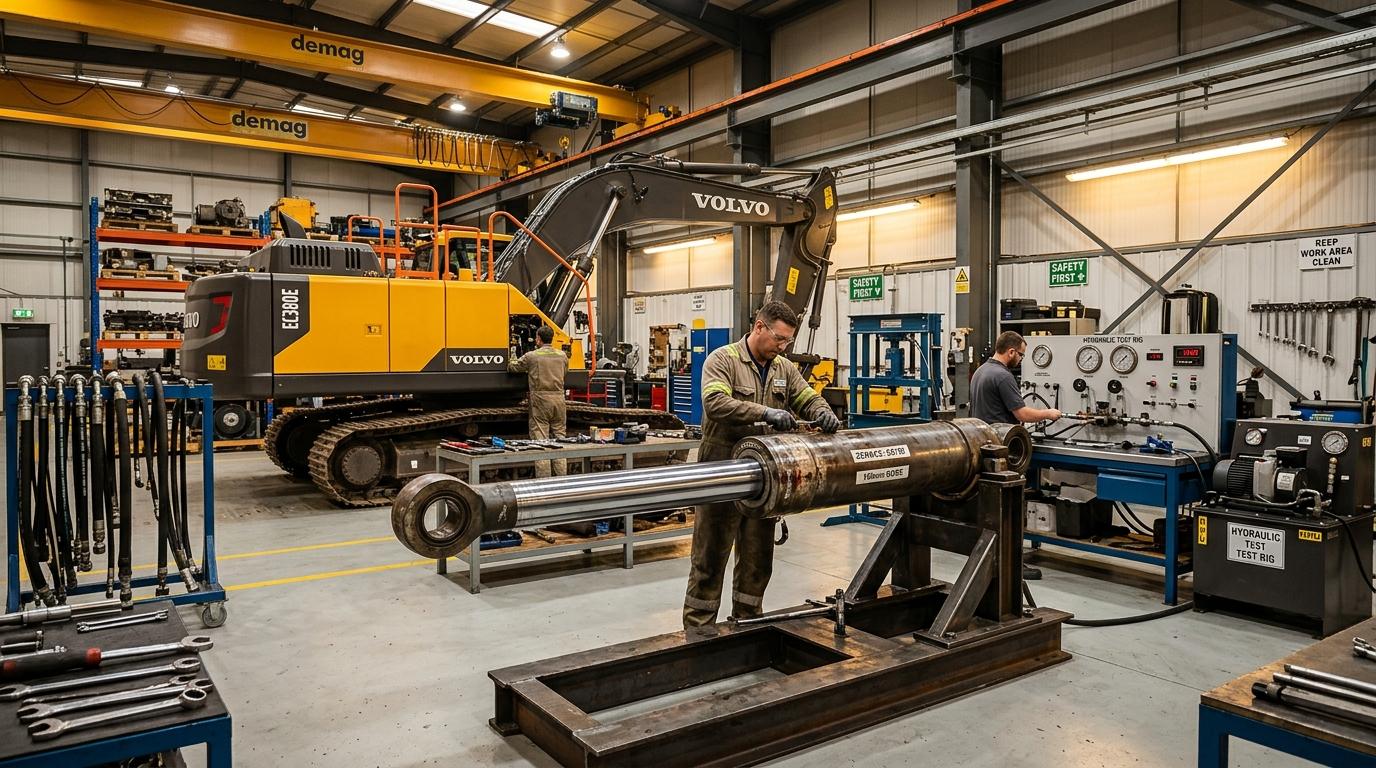
At ASAT Hydraulic Repairing, malfunctioning control valves undergo complete ultrasonic cleaning, micro-deburring, internal seal replacement, and flow-pressure curve mapping on our dedicated hydraulic test bench to ensure leak-tight seating and linear flow response before release.
Frequently asked questions
What is silt lock?
- Silt lock is when fine dirt packs into the very small gap around a valve spool and makes it stick. Clean oil and a proper filter are the main prevention.
How do I test a proportional valve coil?
- Check the coil resistance against the valve data and check the control signal before removing the valve. Our field technicians can run these checks on site.
Can a sticking valve be cleaned and reused?
- Often yes. A stuck spool is cleaned, deburred and bench tested. If the bore or spool is worn beyond limits, it needs reconditioning or replacement.
Related Workshop Engineering Services
Hydraulic Control Valve Repair
DCV overhaul and relief valve calibration.
Related Engineering Insights
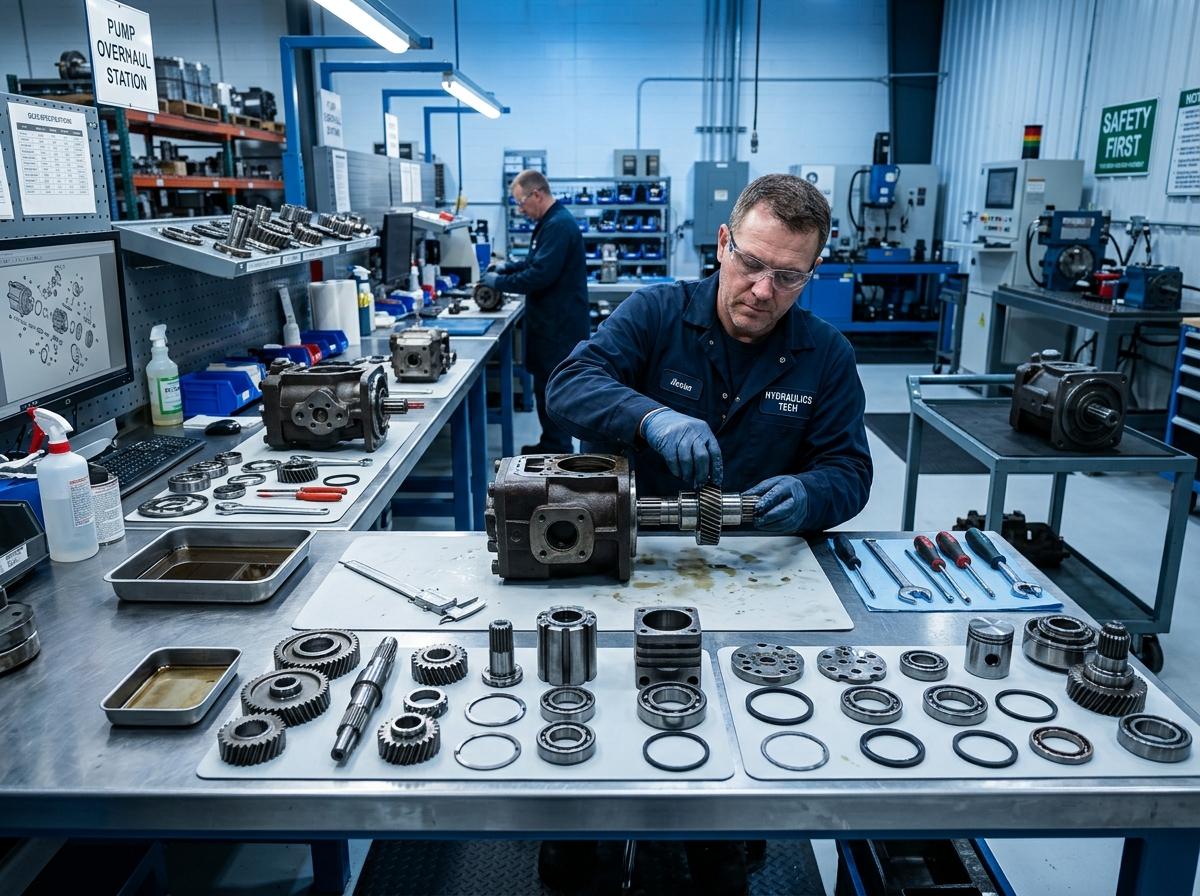
Hydraulic Pump Cavitation: Causes, Warning Signs and How to Stop It
Understanding the physical mechanisms of vapor cavity implosion, intake line restrictions, and oil aeration that lead to premature axial piston pump destruction.
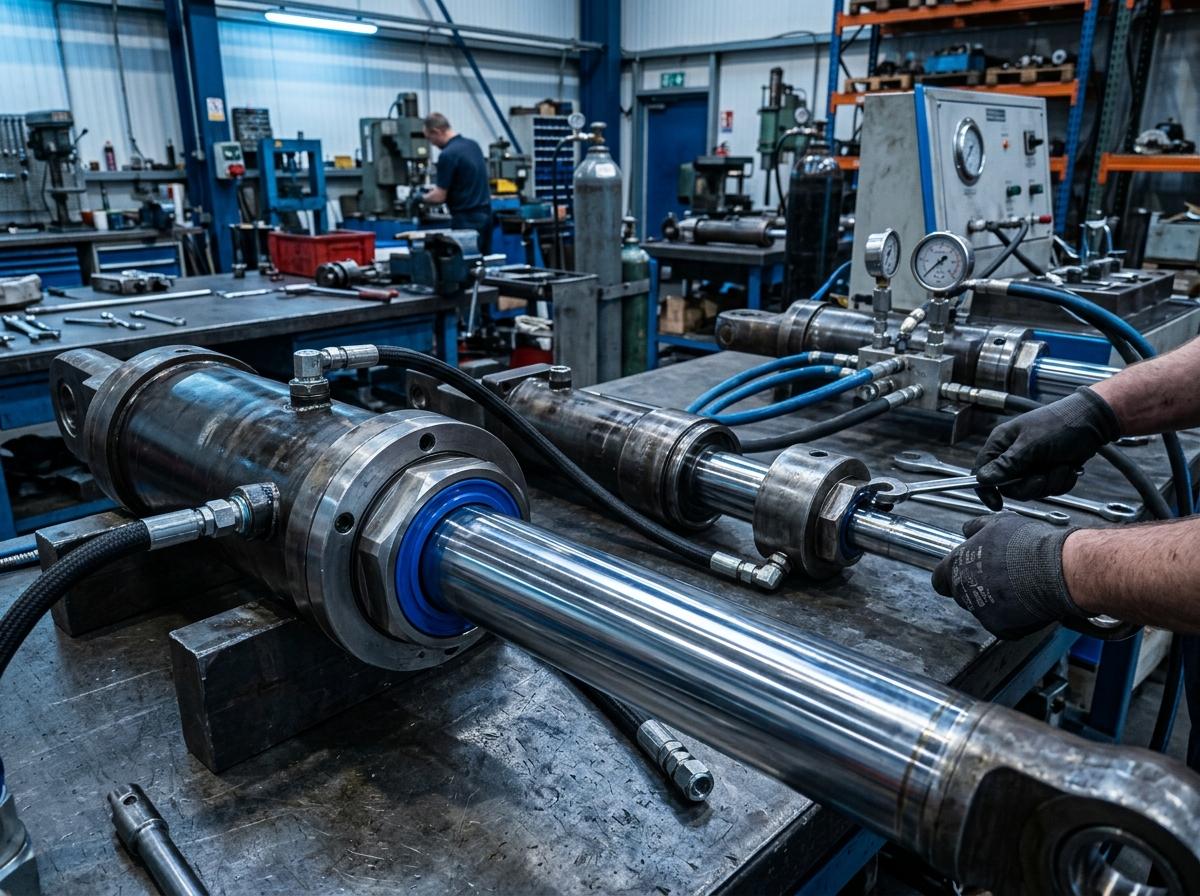
Why Hydraulic Cylinder Seals Fail in UAE Conditions, and How to Fix It
A practical guide to diagnosing extrusion damage, thermal hardening, abrasive scoring, and diesel effect across heavy equipment cylinder seals.
ISO 4406 Oil Cleanliness Codes Explained for UAE Hydraulic Systems
Why fluid contamination accounts for up to 80% of hydraulic component failures, and how to maintain strict ISO particulate target codes.
Have a Hydraulic Cylinder, Pump, or Valve Requiring Repair?
Consult directly with ASAT Hydraulic Repairing's senior technicians in the UAE. We provide comprehensive root-cause diagnostics, precise workshop teardowns, OEM-standard rebuilding, and certified pressure testing up to 350 bar.
Request a Service Quote
Share your machinery details for immediate technical evaluation.